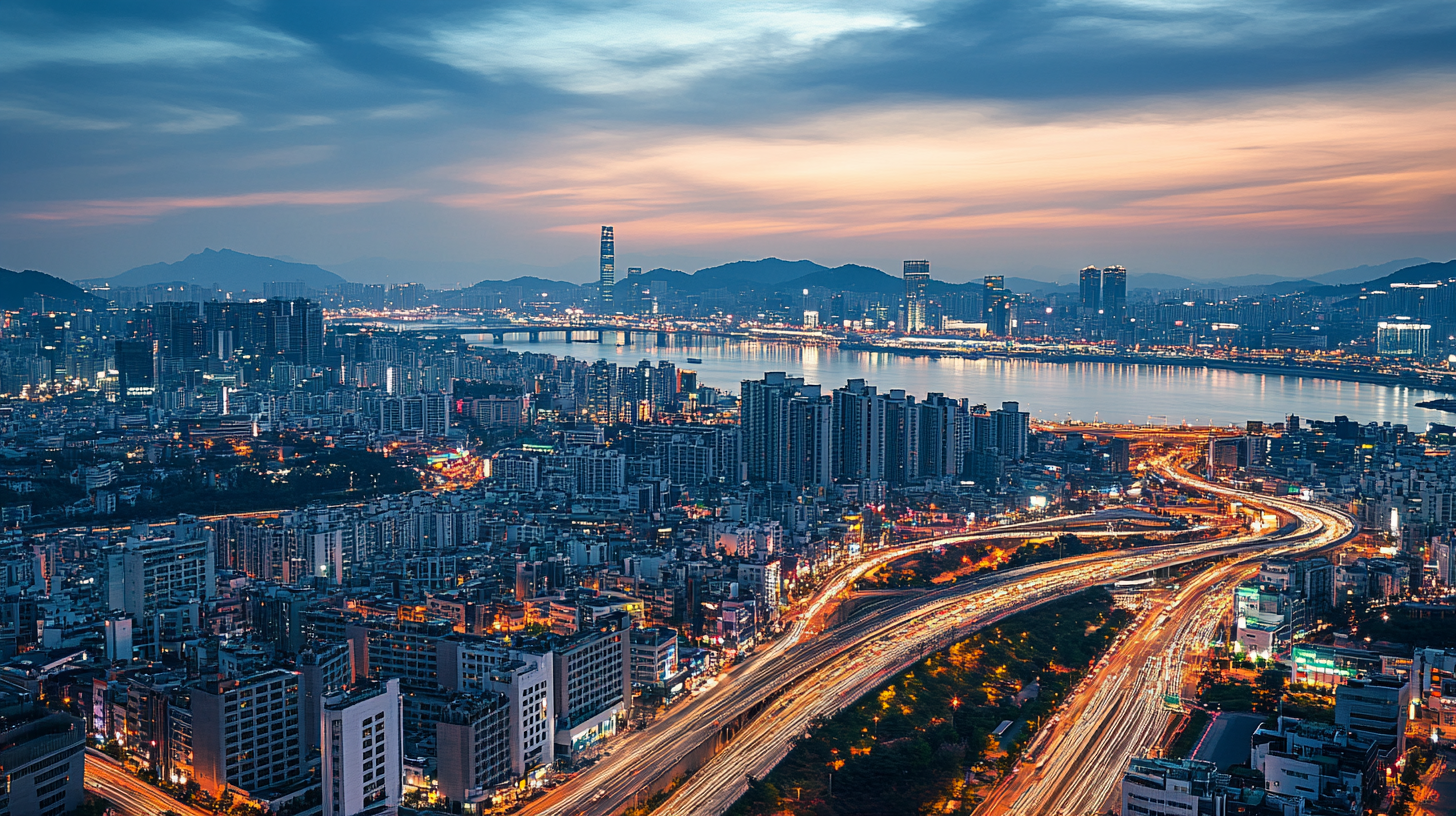
Seoul Moves Fast. Your Itinerary Should Not.
THE ARCHIVE // MOVEMENT NOTES
Most first-time Korea itineraries become overloaded before the traveler even boards the flight. The plan may look reasonable on paper: a café in one district, a clinic appointment in another, shopping afterward, dinner across the river, and a late return through a station the traveler has never used before.
Seoul can support dense movement. That does not mean every traveler should move densely through it. The city is efficient, but its efficiency depends on systems that many visitors are not calibrated to yet: station exits, transfer depth, map logic, traffic behavior, payment methods, reservation platforms, and the physical reality of moving through large districts.
District Overload
One of the most common sources of friction is treating Seoul neighborhoods as if they are small points on a map rather than full movement environments. Gangnam, Seongsu, Hannam, Hongdae, Myeongdong, Apgujeong, Jamsil, and Yeouido can all appear close enough when pinned together, but each district carries its own station logic, walking radius, vertical movement, traffic conditions, and density.
The problem is rarely one transfer or one taxi ride. The problem is accumulation. A traveler can spend the day repeatedly entering and exiting stations, crossing large intersections, waiting for elevators, searching for building entrances, and recalculating routes in a language environment they are still learning to process.
The Map Is Not The Movement
Many American travelers arrive expecting Google Maps habits to transfer directly into Korea. In Seoul, navigation usually requires NAVER Map or KakaoMap, and the friction is not solved by downloading the app alone. Search terms, branch names, Korean addresses, station exits, walking routes, and building entrances all affect whether a route is actually usable.
A ten-minute route on a screen may not include the full physical experience of finding the correct exit, moving through an underground passage, crossing a wide road, locating the right tower, or reaching a clinic floor inside a larger building. This matters even more after long-haul arrival, in bad weather, during peak hours, or after a treatment.
Clinic Days Need Less Movement
Clinic travel adds another layer of pacing. A consultation, treatment, recovery window, pharmacy stop, or follow-up instruction can change how much movement makes sense for the rest of the day. Travelers often underestimate how quickly a simple schedule becomes difficult when swelling, sensitivity, fatigue, or decision load is involved.
The strongest clinic-day plans usually protect the hours around the appointment. That may mean staying closer to the clinic district, reducing restaurant distance, avoiding unnecessary shopping loops, and building in recovery space before the next movement sequence begins.
Transit Requires Early Setup
Public transportation in Seoul is excellent, but it still requires preparation. A T-money card, station familiarity, exit awareness, and basic route confidence should be handled early, not for the first time when the traveler is tired, late, carrying bags, or trying to reach an appointment.
The same is true for taxis. “Just take a taxi” is not always a complete plan. Pickup points, traffic, destination entry, language friction, payment behavior, and app access can all affect whether the taxi actually reduces friction or simply moves it into a different system.
The issue is not that Seoul is hard to navigate. The issue is that many itineraries are built around desired locations rather than actual movement capacity. They do not account for arrival condition, district density, map friction, clinic pacing, reservation timing, or the way small delays compound across a day.
EIROE treats movement as part of the plan itself. Strong coordination does not simply add more recommendations to an itinerary. It removes unnecessary crossings, protects recovery windows, sequences districts intentionally, and reduces the amount of problem-solving required once the traveler is already on the ground.
Seoul rewards preparation. The city can move quickly, smoothly, and beautifully when the route, timing, and support structure are realistic.
The most effective itinerary is rarely the fullest one. It is the one that understands where friction will appear before it becomes the traveler’s problem.
EIROE Studio // Archive Record
Movement Notes // South Korea
Published Within The Archive