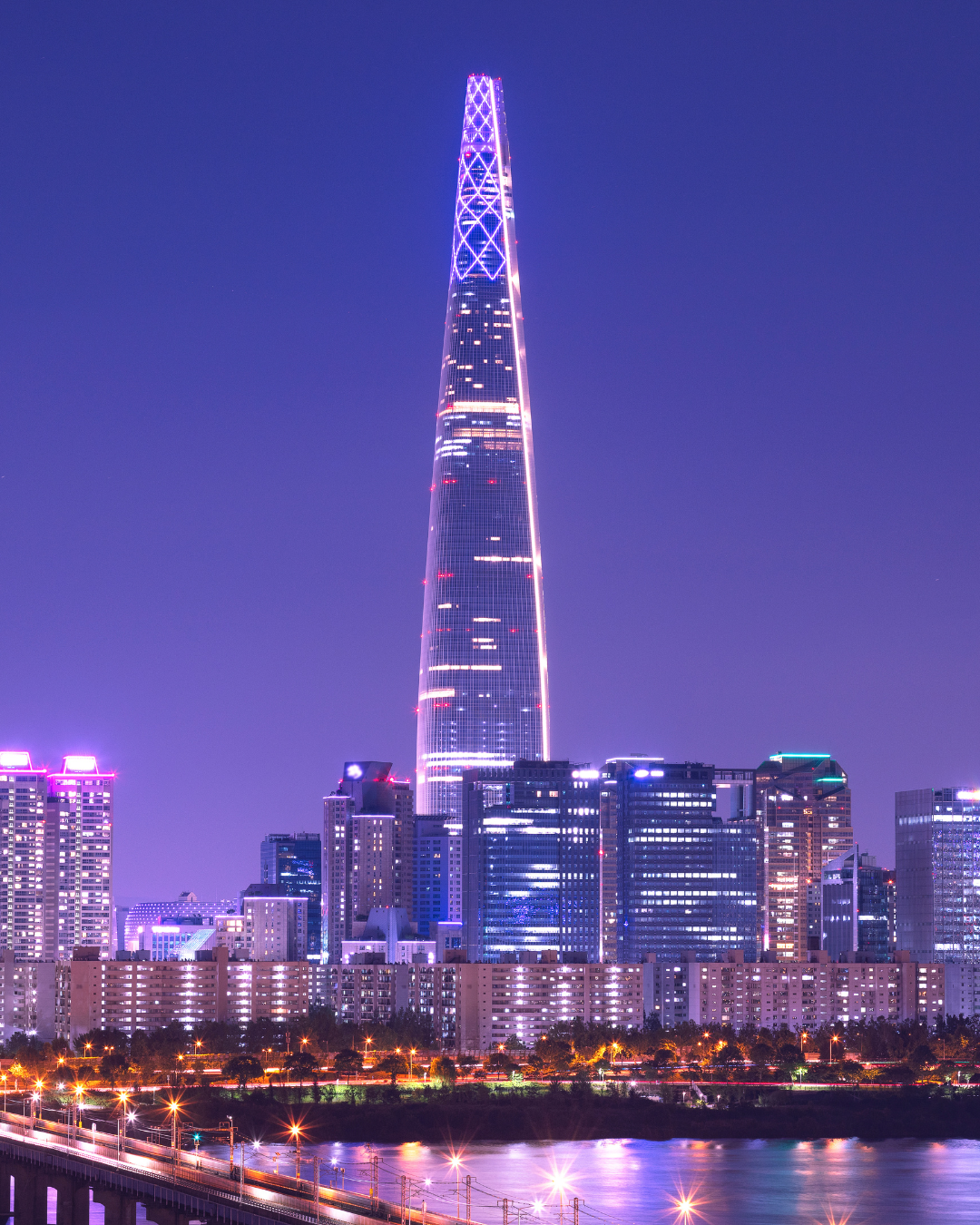
Before You Choose A Seoul District
Choosing a Seoul district is not just a hotel decision. When time is limited, location affects movement, clinic timing, shopping access, restaurant plans, recovery windows, and how much of the trip...

Incheon Airport math gets real quickly: four travelers, several bags, one taxi, three seats, and a hotel address only saved in English. This Archive note explains why airport transfers are often th...
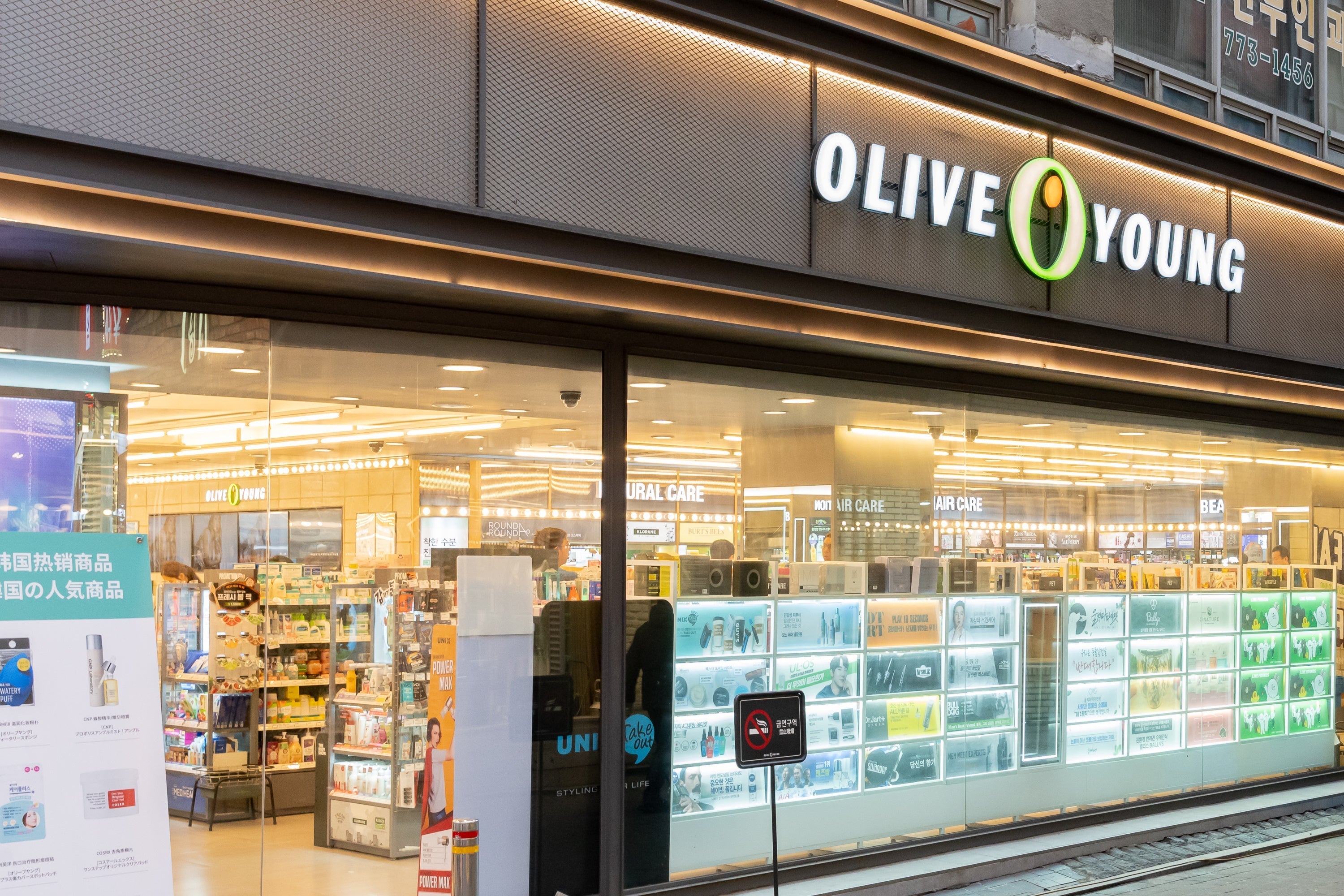
Olive Young looks easy online: a quick stop for Korean beauty products and viral finds. In practice, product density, crowded aisles, skin timing, and decision fatigue can make the experience feel ...
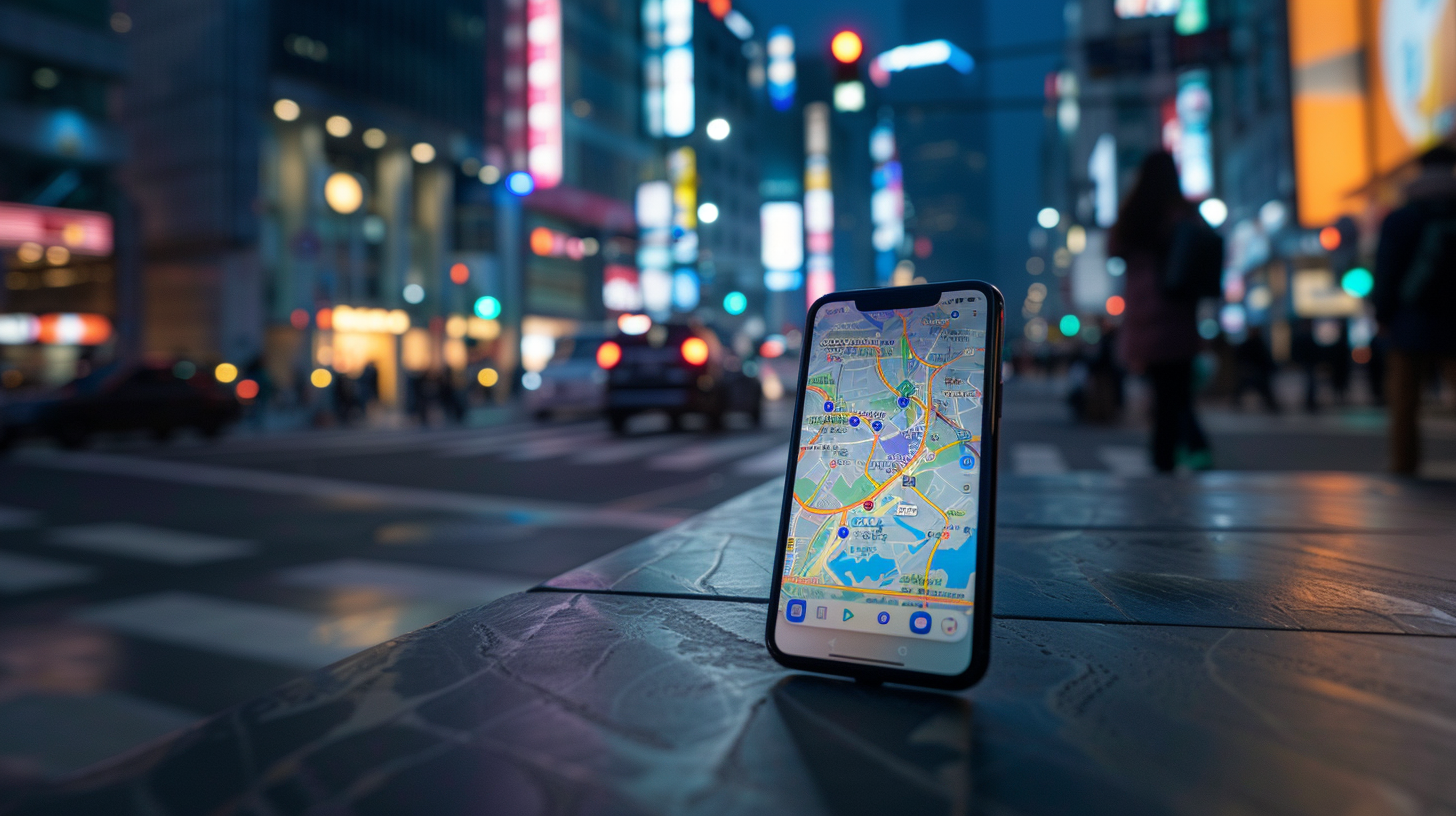
Naver Maps is essential in South Korea, but the friction is not solved by downloading the app. Search terms, branch names, station exits, route timing, and place verification all shape how smoothly...
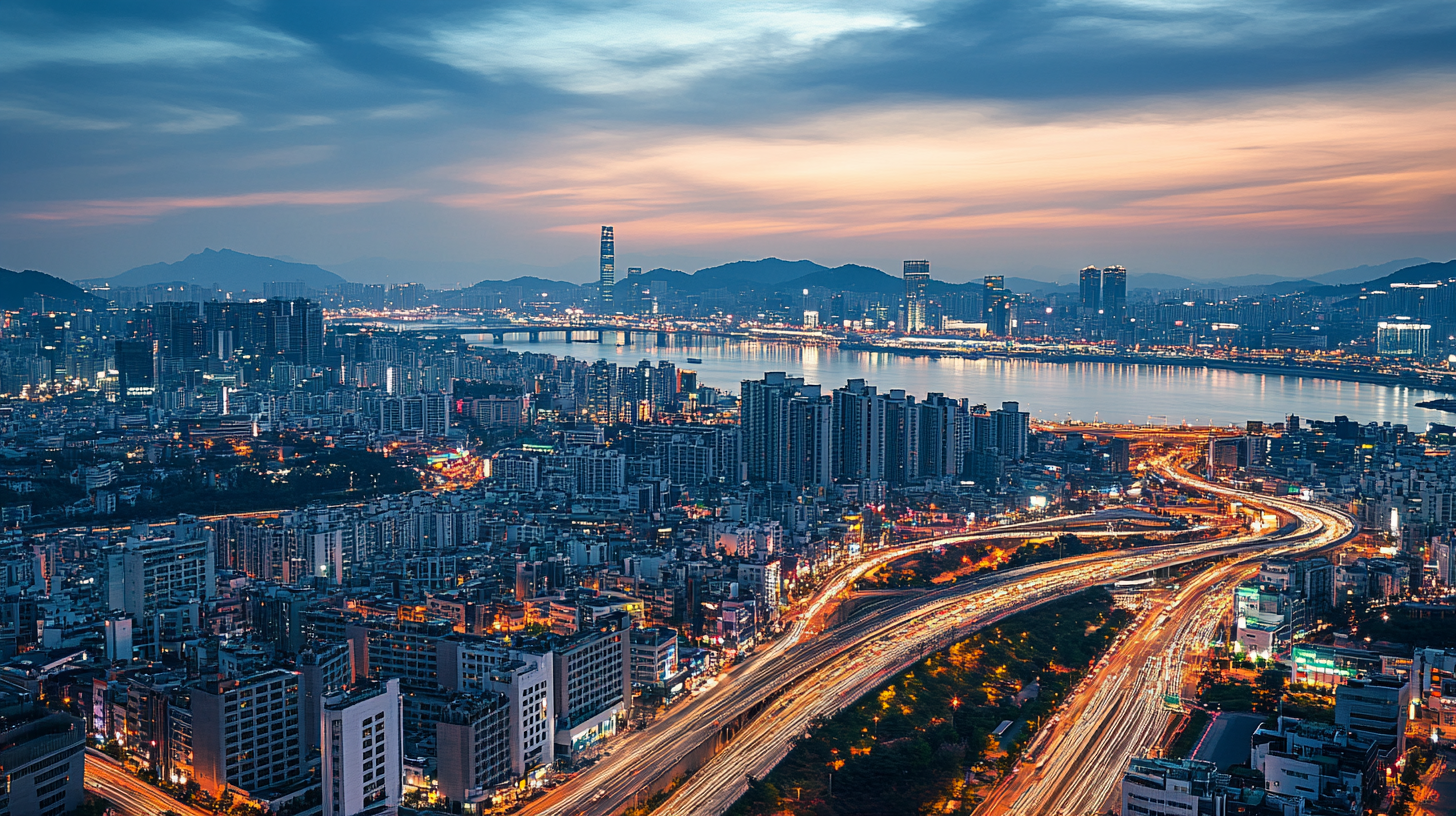
Seoul Moves Fast. Your Itinerary Should Not.
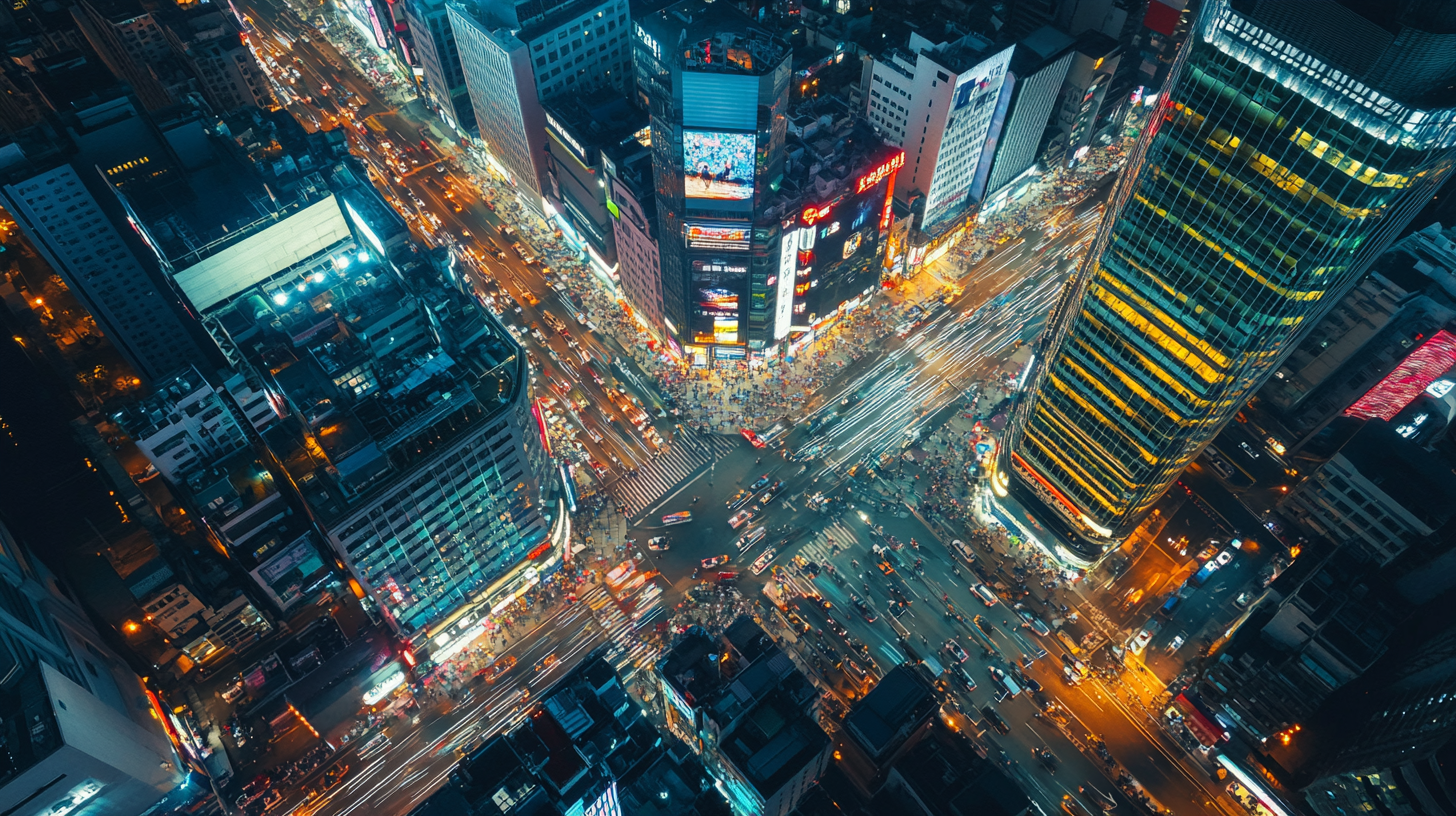
Seoul can support dense movement, but that does not mean every traveler should move densely through it. This Archive note explains why district sequencing, map friction, transit setup, and clinic-d...
In Seoul, convenience stores operate as more than retail stops. They are part of the city’s support system, offering late-night access, basic recovery items, simple food, and low-friction problem s...